Choosing the right toys for children is essential in their development. Montessori toys are designed to support learning through play. But what should parents look for in Montessori toys? The answer lies in specific features that enhance a child's growth.
Montessori toys should be engaging and encourage exploration. Look for toys made from natural materials like wood. This promotes sensory experiences and creativity. Toys should be open-ended, allowing children to use their imagination. For instance, a set of building blocks can inspire various creations, fostering problem-solving skills.
Additionally, consider the age appropriateness of the toys. They should match your child's developmental stage. Too complex toys may frustrate them, while overly simple ones can lead to boredom. Parents must also reflect on the toy's longevity. A well-made toy can withstand years of play. In essence, understanding what should parents look for in Montessori toys can shape a child's learning journey positively.
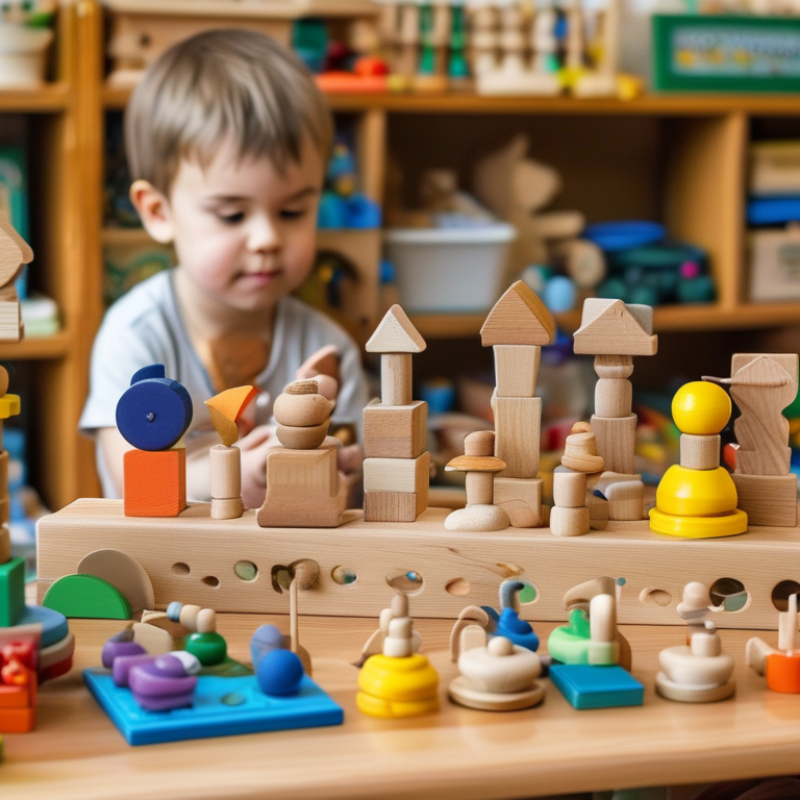
Montessori toys are designed to encourage independent learning and exploration. These toys foster creativity and enhance problem-solving skills in children. They often feature natural materials and simple designs, which allow kids to engage without overwhelming distractions. For instance, a wooden puzzle can teach shapes and improve hand-eye coordination. This simplicity keeps children focused and promotes concentration.
The educational benefits of Montessori toys are significant. They often promote open-ended play, allowing children to use their imagination freely. For example, stacking blocks can enhance fine motor skills while also introducing basic principles of physics. The tactile experience of handling wooden pieces or fabric adds depth to learning. However, not every toy labeled as Montessori will truly embody these values. Parents must assess the toy’s functionality and its capacity to inspire genuine engagement.
Choosing the right Montessori toys requires some reflection. Parents should consider their child's interests and developmental stage. Is the toy age-appropriate? Does it encourage interaction? These questions can help in making informed choices. Ultimately, the goal is to support a child's natural learning process while also fostering their individuality. The right toy can be a powerful tool in nurturing a lifelong love for learning.
When selecting Montessori toys, parents should focus on developmental milestones. These toys emphasize hands-on learning, fostering critical skills. Research shows that children learn best through play, and Montessori toys align with this philosophy. According to the American Academy of Pediatrics, play is essential for cognitive and social development.
Fine motor skills are one of the key areas supported by Montessori toys. Activities involving stacking, threading, and manipulating objects help strengthen these skills. A study from the National Institute for Early Education Research indicates that fine motor skills are predictors of later academic success. Children who engage in these activities often exhibit improved concentration and coordination.
Social skills also receive a boost from Montessori toys. Activities that involve collaboration encourage sharing and communication. A report from the Center on the Developing Child highlights that social interactions during play develop emotional intelligence. However, not every child will thrive in the same activities. Some may require more time to adapt or need support in cooperative play. Understanding individual needs is essential for effective learning.
When selecting Montessori toys, safety and sustainability are paramount. Reports show that 48% of parents prioritize environmentally friendly materials. Common safe materials include wood, organic cotton, and non-toxic paints. They ensure that children are not exposed to harmful chemicals. Parents must examine certifications to verify these standards.
Sustainability also means considering the toy's longevity. Research indicates that toys made from durable materials lead to less waste. For example, wood toys can last for years, often being passed down through generations. However, some plastic toys may seem attractive but can contribute to environmental degradation.
Parents should also check for age appropriateness in toys. Many manufacturers provide guidelines, yet these can be vague. It's crucial to assess the child's developmental stage. Not all toys labeled safe fit every child’s needs. Engaging with local experts or reading reliable reviews can provide insights. This way, parents make informed choices that align with both safety and educational benefits.
| Criteria | Description | Importance |
|---|---|---|
| Safety Standards | Toys should be made from non-toxic materials and free from harmful chemicals. | Very High |
| Age Appropriateness | Toys should be suitable for the specific developmental age of the child. | High |
| Sustainability | Materials used should be sourced sustainably and be environmentally friendly. | Medium |
| Educational Value | Toys should promote learning and development through play. | High |
| Durability | Toys should be robust and able to withstand active play without breaking. | High |
When selecting Montessori toys, it's essential to consider the child's age. Different types of toys cater to various developmental stages. For infants, look for toys that stimulate their senses. Soft textures, bright colors, and sounds can engage a baby's curiosity. Rattles, stacking toys, and soft blocks are great choices. These toys promote sensory exploration and motor skills.
As children transition into toddlers, their play needs evolve. Toys that encourage problem-solving and creativity are ideal. Puzzles, shape sorters, and simple building sets can help toddlers develop critical thinking. They enjoy experimenting and learning cause-and-effect relationships. Open-ended toys allow for imaginative play, which is crucial at this stage.
For preschoolers, focus on toys that foster independence and social skills. Role-playing sets, art materials, and simple board games can enhance their learning. These toys encourage cooperation and communication among peers. Remember, the best toys should align with your child's interests. Reflect on their preferences and developmental needs. It's okay if some toys don’t quite fit; you'll learn what works best through exploration.
When selecting Montessori toys, parents should focus on options that support hands-on learning and foster creativity. Examples include building blocks, which enhance spatial awareness and fine motor skills. Research suggests that children who engage in block play develop stronger problem-solving skills. Another effective choice is sorting toys, which help kids understand categories and improve their cognitive abilities.
Montessori toys often emphasize open-ended play. These items encourage imaginative thinking and allow children to explore various uses. For instance, a simple wooden animal set can lead to the development of narrative skills as kids create stories. A study published in the Journal of Educational Psychology revealed that children exposed to open-ended toys show increased cognitive growth compared to those with electronic options.
Parents should also consider the age-appropriateness of each toy. Toys that are too advanced can lead to frustration, while those that are too simple may not provide sufficient challenge. Striking the right balance is crucial for effective learning. Observing how children interact with toys provides insight into their developmental needs, allowing parents to make informed decisions.
: Montessori toys focus on developmental milestones, emphasizing hands-on learning and critical skill enhancement.
Activities like stacking and threading strengthen fine motor skills, improving concentration and coordination in children.
Montessori toys encourage collaboration, sharing, and communication, which are crucial for developing social skills.
No, individual needs vary. Some children may need more time or support in cooperative play.
For infants, choose toys with soft textures, bright colors, and sounds that stimulate their senses, like rattles.
As toddlers, children need toys that encourage problem-solving. Puzzles and shape sorters are great choices.
Focus on toys that promote independence, creativity, and social interaction, such as role-playing sets and board games.
Very important. Reflecting on their preferences can help determine what toys will enhance their learning experiences.
Yes, social interactions with toys can develop a child's emotional intelligence, though this may vary among individuals.
Yes, it's normal. Learning what suits your child requires exploration and can involve some trial and error.
In choosing Montessori toys for their children, parents should focus on several key aspects that reflect the philosophy of Montessori education, which emphasizes hands-on learning and developmental support. Firstly, it’s essential to understand the educational benefits of Montessori toys, such as enhancing fine motor skills, problem-solving abilities, and fostering independence. These toys are designed to align with specific developmental milestones, aiding children in their cognitive and physical growth.
What should parents look for in Montessori toys? Safety and sustainability are paramount, ensuring that materials are non-toxic and environmentally friendly. Additionally, the toys should cater to different age groups, providing appropriate challenges as children grow. Examples of effective Montessori toys can include tactile experiences and open-ended play options that stimulate creativity and learning. Ultimately, selecting high-quality Montessori toys can significantly impact a child's educational journey, fostering a love for learning from an early age.
