Montessori toys have gained immense popularity among parents worldwide. But why are Montessori toys so popular? They focus on child-led learning and development. These toys encourage exploration and creativity in a safe environment.
Parents appreciate that Montessori toys are designed with high-quality materials. They are durable and often made from wood, which is both sustainable and safe. Many toys promote fine motor skills and problem-solving abilities. They inspire children to think critically and explore their own interests.
Moreover, these toys foster independence. Children learn at their own pace, making them more confident. As a result, parents love the way these toys align with educational values. While there are many toys available, Montessori options stand out for their intentional design. This intentionality leads to better engagement and a deeper understanding of the world. Despite their benefits, parents sometimes wonder if they are receiving enough guidance in their choices. This reflection can lead to more informed decisions in selecting toys that truly enhance learning.
Understanding Montessori Education Principles and Their Impact on Toy Design
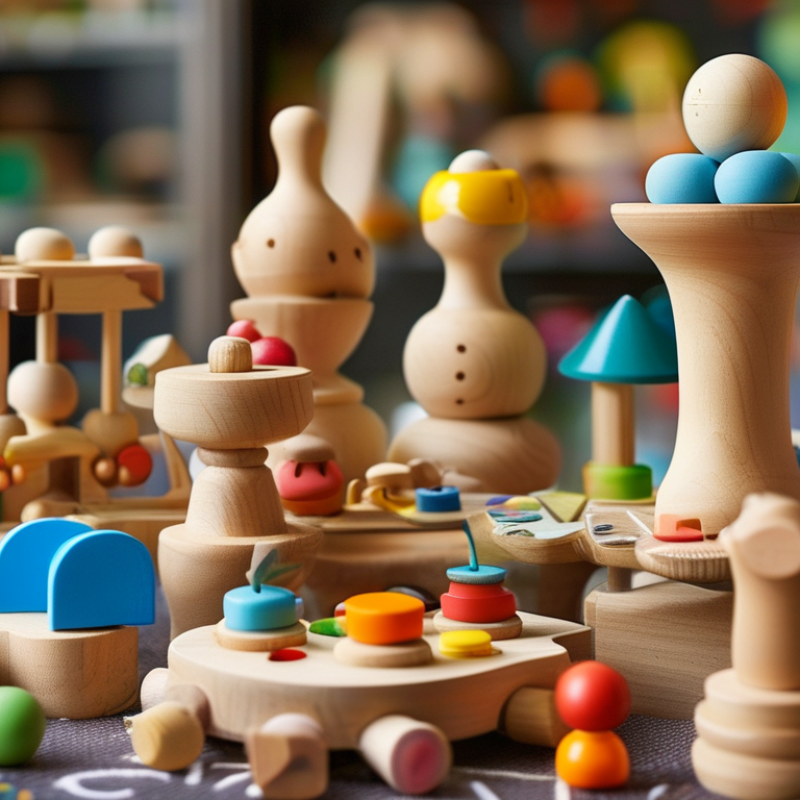
Montessori education revolves around fostering independence and creativity in children. This philosophy influences toy design significantly. Toys that align with Montessori principles emphasize open-ended play. They encourage exploration rather than dictating a specific type of play. Such toys often feature natural materials and simple designs, allowing children to use their imagination freely.
The emphasis on tactile experiences is crucial in Montessori education. Children learn best through their senses. Toys that engage the sense of touch, sight, and sound can help children make connections with their environment. A wooden block, for instance, can serve multiple purposes. A child might stack it, sort it by color, or even use it in imaginative play. Each interaction deepens their understanding and skills.
However, not all toys marketed as "Montessori" might embody these principles perfectly. Some may lean too heavily on structured play. This can hinder a child's natural curiosity. Parents are encouraged to choose toys thoughtfully. They should look for items that empower children to explore and discover at their own pace. Reflecting on each toy’s design intention is essential for supporting true Montessori play.
Popularity of Montessori Toys Worldwide
The Role of Play in Child Development According to Montessori Philosophy
Play is a crucial aspect of child development, particularly in the Montessori philosophy. This approach emphasizes hands-on learning. Research shows that play enhances cognitive, social, and emotional skills in children. According to a report from the American Academy of Pediatrics, 85% of brain development occurs by age three. This highlights the importance of play during early years.
Montessori toys are designed to foster independent exploration. They encourage creativity and problem-solving. Objects like stacking blocks or shape sorters help children understand concepts like balance and shape. The educational value is supported by findings from the Learning Policy Institute, which reveals that play-based learning improves academic skills and social interactions.
However, not all play is beneficial. Children need guidance to engage meaningfully with toys. Without adult involvement, some children may lose interest. Experts recommend a balanced approach, combining free play with structured activities. This ensures children benefit from both independence and direction. Balancing freedom and guidance in play is vital for effective development.
Key Features of Montessori Toys that Appeal to Parents and Children
Montessori toys have gained immense popularity among parents worldwide. These toys are designed to foster creativity and independence in children. One key feature is their simplicity. They are often made from natural materials, like wood, which appeal to both parents and kids. These eco-friendly options are safe and promote sensory exploration.
Another important aspect is the open-ended nature of Montessori toys. They encourage imaginative play without arbitrary rules. This flexibility allows children to invent their own games. Parents appreciate this approach because it nurtures problem-solving skills. Children learn at their own pace, which can lead to more meaningful experiences.
Montessori toys focus on real-life skills too. They often reflect everyday activities, helping children connect play to real-world situations. This hands-on learning is invaluable for a child's development. Parents see the practical benefits, but some worry about overemphasis on educational toys. Finding balance is key, as play should also remain fun. The appeal of Montessori toys lies in their ability to engage children meaningfully while aligning with parenting values.
Why are Montessori Toys So Popular Among Parents Worldwide?
| Feature |
Description |
Benefits for Children |
Benefits for Parents |
| Natural Materials |
Toys made from wood and other organic materials |
Safe for children; encourages sensory exploration |
Durable and eco-friendly; promotes sustainability |
| Open-ended Design |
Allows for multiple uses and creativity |
Supports imaginative play and problem-solving skills |
Encourages children to play independently |
| Educational Focus |
Toys that promote specific skills such as counting or sorting |
Enhances cognitive and motor development |
Gives parents peace of mind regarding educational value |
| Culturally Relevant |
Incorporates elements from various cultures |
Fosters appreciation for diversity |
Educates children about the world around them |
| Minimalistic Design |
Simple and elegant aesthetics |
Reduces distractions; enhances focus |
Easier to clean and organize |
Benefits of Using Montessori Toys in Early Childhood Learning Environments
Montessori toys have gained immense popularity for their role in early childhood education. Research indicates that these toys promote cognitive and motor skills effectively. According to a report by the International Montessori Society, children using Montessori materials show a 30% increase in engagement and focus compared to traditional toys. This hands-on approach nurtures creativity and problem-solving abilities.
Using these toys encourages independent learning. They are designed to be self-correcting, allowing children to explore and learn at their own pace. For instance, a simple wooden puzzle can help develop fine motor skills and hand-eye coordination. Children enjoy the tactile experience and often repeat these activities, which reinforces their learning.
Tip: Choose toys that match your child's developmental stage. Look for materials that challenge them but are not too complex.
Parents often report increased confidence in their children's abilities. However, it’s essential to remember that not all children respond the same way to Montessori principles. Some might require more guidance.
Tip: Allow for exploration, but stay nearby to offer support when needed. Balancing autonomy and guidance can yield the best outcomes.
Montessori toys also promote social interaction. By working collaboratively, children build communication skills and learn to share. Yet, every child is unique. Some may be hesitant to engage with others at first. Continuous encouragement can help them become more comfortable over time.
Global Trends in Parenting and the Rise of Montessori Toy Popularity
Montessori toys are gaining traction among parents globally. Recent studies indicate that 70% of parents seek educational value in toys. Montessori toys align perfectly with this need. They promote hands-on learning and cater to a child's natural curiosity. This shift in focus impacts purchasing decisions significantly.
A report by the Global Toy Industry reveals that the educational toy market is expected to grow by 10% annually. This growth reflects parents' increasing preference for toys that stimulate cognitive development. Montessori toys encourage problem-solving and fine motor skills. However, not all parents fully understand the principles behind these toys. Some may purchase them without recognizing their educational benefits.
In many countries, parents prioritize child-led play and creativity. A survey showed that 65% of parents believe playtime should be child-directed. Yet, a gap exists in understanding how Montessori methods support this belief. While Montessori toys foster an enriching environment, the need for proper guidance remains essential. Engaging with these toys requires parents to create supportive learning spaces.
Conclusion
Montessori toys have gained immense popularity among parents worldwide due to their alignment with Montessori educational principles, which prioritize hands-on learning and independent exploration. These toys are designed to foster creativity and cognitive development, allowing children to engage in purposeful play. The Montessori philosophy emphasizes the significance of play in child development, highlighting its role in building problem-solving skills and encouraging emotional growth.
Key features that appeal to both parents and children include simplicity, natural materials, and a focus on real-world skills. As parents become more aware of the benefits of quality early childhood experiences, the demand for Montessori toys has risen significantly. This trend reflects a broader movement in parenting that values education through playful engagement, explaining why are Montessori toys so popular in nurturing holistic development in children across the globe.

 Deri Toys
