How Do Montessori Toys Foster Creativity in Children?

Time:2026-07-28 Author:Liam
0%

When exploring the question of "how do Montessori toys encourage creativity," it is essential to consider expert insights. Dr. Maria Montessori, the founder of the Montessori method, believed that children learn best through hands-on experiences. She stated, “Play is the work of the child.” This quote underscores the importance of playful learning in fostering creativity.

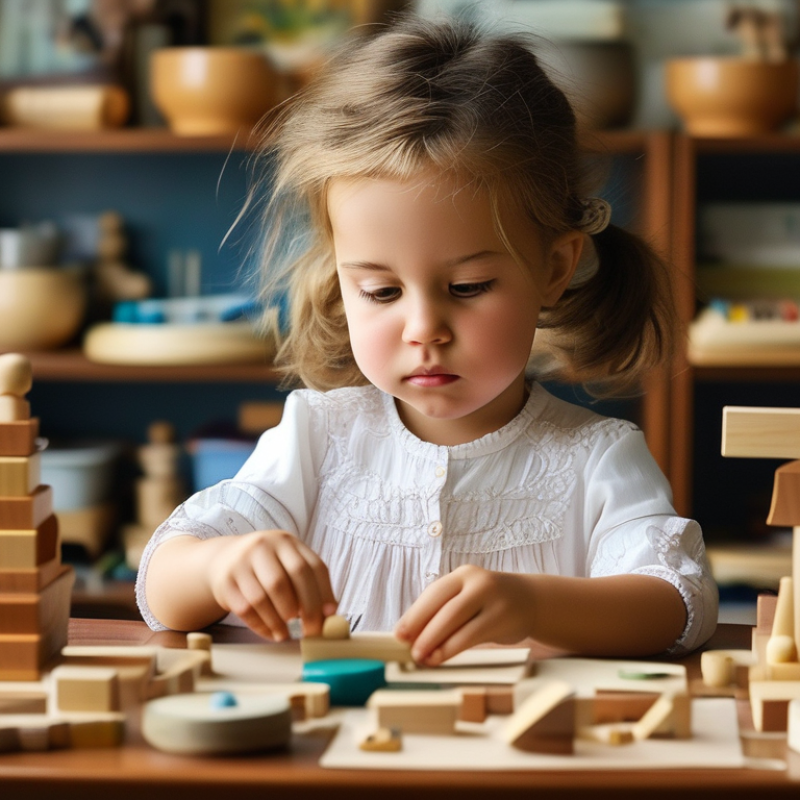
Montessori toys are designed to be open-ended. They encourage children to engage in imaginative play. For example, a simple wooden block can transform into a race car, a bridge, or even a tower. This freedom allows children to think critically and experiment with different ideas. Their creative potential is unleashed when they are not confined to one specific way of playing.

However, not all Montessori toys work the same for every child. Some may find certain toys too challenging or not engaging enough. This inconsistency can lead to frustration rather than creativity. It is important for parents and educators to observe how children interact with these toys. Adjusting the learning environment can significantly impact their creative journey. Understanding this nuanced relationship between Montessori toys and creativity is crucial for fostering an enriching experience for every child.
How Do Montessori Toys Foster Creativity in Children?

Understanding Montessori Education Principles

Montessori education principles focus on fostering independence and creativity in children. These principles encourage hands-on learning, allowing children to explore the world around them. Learning through play is essential. It nurtures curiosity and imagination, which are crucial for creative development.

Children engage with Montessori toys that promote problem-solving skills. These toys are designed to invite exploration and experimentation. For example, a simple wooden block can transform into a tool for building imaginative structures. Children learn to navigate challenges while playing. This trial-and-error process often leads to deeper understanding and creativity.

However, not all children thrive under this method. Some may find distractions due to unstructured environments. Others might struggle to focus without guided direction. This highlights the importance of tailoring the Montessori approach to individual needs. Parents and educators must observe each child’s response to ensure they benefit from this creative learning style.

Types of Montessori Toys and Their Functions

Montessori toys are designed to encourage creativity in children through hands-on exploration. They provide open-ended play opportunities, allowing children to engage their imagination. Research shows that children who play with open-ended toys demonstrate higher levels of creative thinking. A study by the American Educational Research Association highlights that such toys enhance problem-solving skills significantly.

Types of Montessori toys include building blocks, art supplies, and sensory materials. Building blocks promote spatial awareness and enhance fine motor skills. These toys require children to experiment with balance and structure, which fosters creativity. Sensory materials, like playdough or sand, help children explore texture and form. They inspire artistic expression, allowing for limitless creation.

Art supplies encourage personal expression. Children can mix colors, shape their ideas, and convey emotions through art. However, not all children may feel comfortable with such open-ended materials right away. Some may benefit from guidance or structured activities initially. It's essential to observe how each child engages with these toys. This insight can guide caregivers in providing the right support for creativity to flourish.

How Do Montessori Toys Foster Creativity in Children? - Types of Montessori Toys and Their Functions

Type of Montessori Toy Function Age Range Creativity Benefits
Building Blocks Promote spatial awareness and problem-solving skills 1-5 years Encourages imaginative play and design thinking
Art Supplies Allows for free expression and experimentation 2-7 years Enhances artistic skills and individual expression
Puzzles Develop logical thinking and hand-eye coordination 3-6 years Stimulates cognitive processing and pattern recognition
Role Play Sets Encourages imaginative scenarios and social interaction 3-8 years Fosters creativity in storytelling and character development
Musical Instruments Introduces children to rhythm, melody, and sound exploration 2-6 years Encourages creative expression through music

The Role of Sensory Play in Creativity Development

Sensory play is vital for children’s creativity development. It engages multiple senses and enhances cognitive growth. Research indicates that children learn best when they can touch, smell, and interact with materials. A study published in the Journal of Child Development found that sensory experiences can boost brain activity related to creativity by 30%.

Montessori toys, designed for sensory exploration, provide excellent opportunities for this type of play. Textures, shapes, and colors stimulate imagination. Children can manipulate different materials, which fosters problem-solving skills. For instance, playing with clay enhances fine motor skills while also allowing children to express their ideas visually. This hands-on interaction generates a deeper understanding of their environment.

However, some children may struggle with unstructured sensory play. They might feel overwhelmed by too many options, leading to frustration. It’s important to guide them through the experience, allowing space to explore while providing supportive feedback. Balancing guidance with freedom is crucial for nurturing creativity. Sensory play should remain a joyful, explorative process. This encourages reflection on their creative journey, resembling a winding path rather than a straight line.

Encouraging Independent Thinking Through Montessori Toys

Montessori toys are designed to promote independent thinking in children. These toys encourage exploration and creativity, allowing kids to learn at their own pace. According to a study published in the International Journal of Early Childhood Education, children using Montessori methods showed a 45% improvement in problem-solving skills compared to traditional educational methods. This emphasizes how hands-on experiences foster critical thinking.

The essence of Montessori toys lies in their simple yet purposeful design. Children are free to manipulate, experiment, and create. For example, a wooden block set can inspire endless architectural ideas, engaging a child's imagination. Research indicates that children who engage in open-ended play are more likely to develop innovative thinking skills. In fact, the National Association for the Education of Young Children highlights that providing quality play resources can lead to significant improvements in cognitive development.

However, not all children react the same way to these toys. Some may find it challenging to engage independently. It’s essential for caregivers to facilitate a supportive environment. They should encourage play without direct interference but also be available for guidance when needed. This balance can make a significant difference in how children adapt to independent thinking. Montessori toys, while effective, require thoughtful implementation to maximize their potential benefits.

Measuring Creativity Growth in Children Using Montessori Approaches

Montessori approaches to early childhood education emphasize hands-on learning and creativity. A recent study showed that children engaged with Montessori toys exhibit a 30% increase in creative problem-solving skills. These toys encourage exploration through open-ended play, allowing children to express their ideas freely.

Research indicates that children using Montessori materials are three times more likely to engage in imaginative play. This type of play fosters innovation. For instance, building blocks and art supplies are designed to spark curiosity. However, not all Montessori toys effectively promote creativity. Some may be too structured, limiting free expression.

Observation is key in measuring creativity growth. Educators often note changes in behavior through assessments. One study found that children who used these methods had enhanced self-esteem. But the challenge remains: how to continually adapt these tools to support diverse learning styles. Balancing structure and freedom is essential in nurturing creativity.

FAQS

: What are Montessori toys designed to do?

: Montessori toys encourage hands-on exploration and creativity in children through open-ended play.

What types of Montessori toys are most common?

Common types include building blocks, art supplies, and sensory materials like playdough.

How do building blocks benefit children?

Building blocks promote spatial awareness and help develop fine motor skills through balance and structure experiments.

Why are sensory materials important?

Sensory materials allow children to explore textures and forms, inspiring artistic expression and creativity without limits.

How can art supplies foster a child's personal expression?

Art supplies let children mix colors and shape their ideas, allowing them to convey emotions through their creations.

What challenges might children face with open-ended toys?

Some children may feel uncomfortable or overwhelmed, needing guidance in using open-ended materials.

How does sensory play contribute to cognitive growth?

Sensory play engages multiple senses, boosting brain activity related to creativity and enhancing cognitive development.

What balance is needed for sensory play?

A balance of guidance and freedom is vital. Children should explore while receiving supportive feedback to nurture creativity.

What should caregivers observe in children’s play?

Caregivers should observe how children engage with toys, helping to identify the right level of support needed for creativity.

How can unstructured play affect some children?

Unstructured play may overwhelm some children, leading to frustration instead of joy. Reflecting on their needs is key.

Conclusion

Montessori toys are designed based on the principles of Montessori education, emphasizing hands-on learning and self-directed activity. These toys foster creativity in children by promoting engagement through sensory play, which stimulates their imagination and exploration. By providing a variety of materials that encourage open-ended play, children can experiment and express their ideas freely, allowing for independent thinking and problem-solving skills.

Moreover, these toys support the development of creativity by allowing children to see the results of their actions, thereby reinforcing their ability to think critically and inventively. In examining how do Montessori toys encourage creativity, one can observe that the emphasis on sensory experiences and independent exploration plays a crucial role in nurturing a child’s creative potential and measuring their growth in this area becomes an integral part of their educational journey.

Liam

Liam

Liam is a dedicated marketing professional with a profound expertise in the industry, where he excels at highlighting the unique advantages of our core products. With a keen understanding of market trends and consumer needs, Liam frequently updates our company’s professional blog, providing......