Montessori toys are more than just playthings. They play a significant role in enhancing sensory development in children. Research indicates that children aged 0 to 3 years experience rapid sensory growth. According to a report by the American Academy of Pediatrics, play is crucial for cognitive and motor skills development during this period. The question, "how do Montessori toys support sensory development," is vital for parents and educators.
Montessori toys engage children in hands-on experiences. Each toy is designed to stimulate the senses, from touch to sight. A study from the International Journal of Child Development highlights that sensory play fosters creativity and problem-solving skills. These toys often encourage independent exploration, promoting fine motor skills through activities like stacking and sorting. This process requires children to manipulate objects, enhancing their tactile sensory experiences.
While many families appreciate the benefits of Montessori toys, some may find the selection overwhelming. It's important to choose toys that are appropriate for the child’s developmental stage. Not all toys support sensory development equally. Parents should reflect on their choices and consider a toy's sensory impact carefully. Ultimately, the journey of discovering how Montessori toys can benefit sensory development is one of continuous learning for both children and adults.
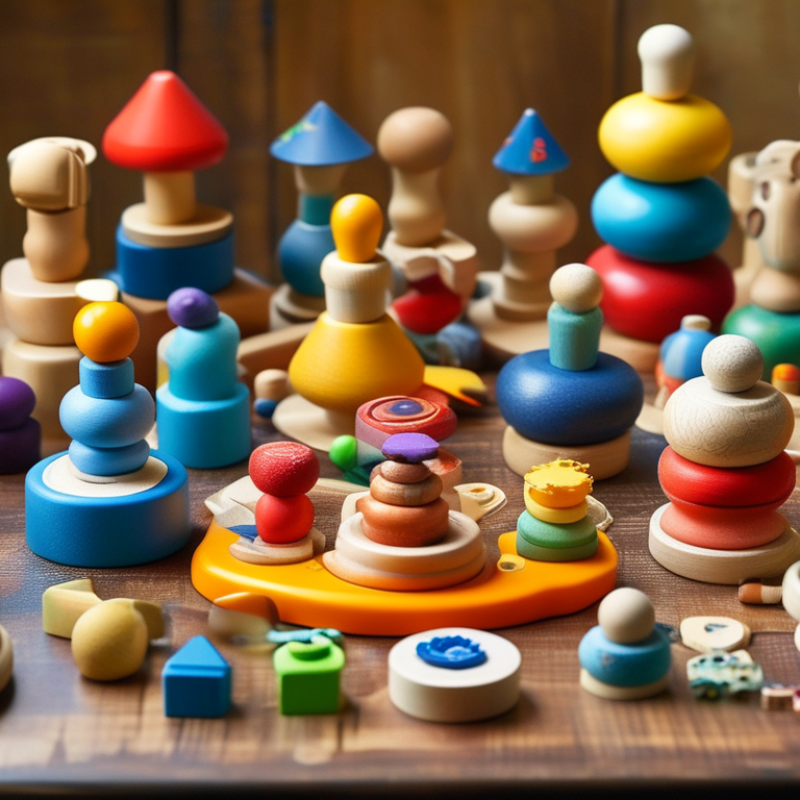
Montessori principles emphasize hands-on learning, which is crucial for sensory development. Children learn through their senses. Engaging with Montessori toys encourages exploration. These toys stimulate touch, sight, and hearing. According to research, sensory play enhances neural connections in young minds. A study published in the Journal of Child Development shows that sensory-rich environments improve cognitive skills by over 30%.
Tactile experiences are vital. Montessori toys often incorporate various textures, shapes, and colors. For instance, wooden blocks of different sizes can teach children about balance and stability. Each interaction offers unique sensory feedback. It is essential for developing fine motor skills too. In fact, a report from the National Association for the Education of Young Children indicates that active sensory exploration can increase problem-solving abilities by 28%.
However, some parents may hesitate to adopt this method. Concerns about overstimulation can arise. Not all children respond similarly to sensory input. It is crucial to observe individual reactions and adjust experiences accordingly. Finding the right balance can take time. This trial-and-error process is part of the journey toward effective sensory development. Montessori principles provide guidance, yet flexibility remains essential.
Montessori toys are designed to engage children's senses and promote exploration. One popular type is sensory bins filled with various materials like rice, sand, or beans. Children can touch, pour, and manipulate items, enhancing their tactile senses. The differing textures create a stimulating environment that invites curiosity.
Another effective toy is the sound box. These boxes contain items that make different sounds when shaken or moved. Children learn to differentiate between sounds, enhancing their auditory senses. Simple materials like bells or marbles create a rich auditory landscape, fostering listening skills and attention.
When selecting Montessori toys, consider diversity in textures and sounds. This variety can keep children engaged longer and encourages imaginative play. Allow children to explore freely but supervise to ensure safety. Reflection on their interactions can deepen understanding. Ask them about their experiences with each toy to enhance their verbal skills and self-expression.
Hands-on activities play a crucial role in enhancing sensory skills in early childhood. Through tactile experiences, children learn to navigate their environment. Simple tasks, like pouring water or sorting objects, stimulate their senses. These activities engage touch, sight, and sound, allowing children to develop spatial awareness.
When children manipulate materials, they build fine motor skills. They learn how to grasp, squeeze, and manipulate various textures. For instance, playing with clay or sand encourages exploration and creativity. These actions help form neural pathways essential for cognitive development. Children become more aware of the world around them, learning through their senses.
However, not all hands-on activities are beneficial. Sometimes, tasks may be too advanced, causing frustration instead of learning. It's vital to strike a balance between challenge and skill level. Parents and educators should observe children's reactions, adjusting activities accordingly. This reflection helps ensure the right level of engagement to foster growth.
| Toy Type | Sensory Skill Enhanced | Age Group | Description |
|---|---|---|---|
| Wooden Blocks | Tactile Awareness | 1-3 Years | Encourages children to explore different textures and shapes. |
| Sensory Balls | Visual and Tactile Stimulation | 0-2 Years | Provides various textures and colors for infants to explore. |
| Musical Instruments | Auditory Skills | 2-5 Years | Helps in developing rhythm and sound recognition. |
| Sorting Toys | Cognitive Development | 2-4 Years | Encourages problem-solving and spatial reasoning. |
| Textured Books | Tactile and Visual Engagement | 0-3 Years | Promotes sensory exploration through different materials. |
Natural materials play a crucial role in Montessori toy design. These toys often feature wood, cotton, and clay. Such materials provide tactile experiences that are essential for sensory development. Children engage more meaningfully with toys made from natural elements. The warmth and texture of wood, for instance, stimulate touch and encourage exploration.
Using natural materials also promotes a connection to the environment. Children learn to appreciate nature and understand sustainability. For example, a simple wooden block can spark curiosity. Its unique grain patterns and smells invite children to observe closely. However, some natural materials can pose challenges. They may require more maintenance and care compared to synthetic options. Parents might struggle to keep wooden toys clean and safe.
Montessori toys encourage open-ended play. They allow children to experiment and learn at their own pace. This freedom can sometimes lead to messiness. But that mess often reflects engagement and creativity. The imperfections in play also offer learning moments. Children can learn to clean up after themselves, fostering responsibility. Balancing the benefits and challenges of natural materials might differ for each family. Yet, the enriching sensory experiences they provide are undeniable.
Engaging in sensory play at home is essential for children's development. Parents play a crucial role in this process. When parents introduce various Montessori toys, they create a rich environment for sensory exploration. These toys encourage children to use their senses—touch, sight, and sound. Simple toys, such as sensory bins or stacking blocks, can captivate a child's attention.
Creating opportunities for sensory play doesn’t always require elaborate setups. Everyday items can be transformed into sensory experiences. For instance, rice, water, or even different fabrics can stimulate curiosity and fine motor skills. Parents can lead by example, demonstrating how to engage with these materials. Children learn through imitation, so parents taking an active part promotes exploration.
It's also important to recognize that not every child will respond the same way. Some might feel overwhelmed by sensory input. Parents should observe and adjust activities accordingly. Creating a safe space for exploration is key. It allows children to express themselves and learn at their own pace. Reflection on each play session can guide parents in better understanding their child's preferences.
: Montessori principles focus on hands-on learning and sensory development for children.
Montessori toys encourage exploration and stimulate touch, sight, and hearing.
Tactile experiences help develop fine motor skills and enhance problem-solving abilities.
Sensory bins are containers filled with materials like rice or sand for children to manipulate.
A sound box contains items that produce different sounds, helping children develop auditory skills.
It's important to observe children's reactions and adjust sensory experiences individually.
Look for diversity in textures and sounds to keep children engaged and promote imaginative play.
Asking children about their experiences with toys can improve their verbal skills and self-expression.
Yes, supervision is essential to ensure safety during sensory exploration.
Finding the right balance in sensory experiences often requires time and trial-and-error.
Montessori toys play a crucial role in enhancing sensory development in children by adhering to Montessori principles that emphasize hands-on, experiential learning. These toys are specifically designed to promote sensory exploration through various textures, sounds, and visual stimuli, allowing children to engage with their environment in meaningful ways. By incorporating natural materials, Montessori toy design encourages children to connect with the world around them, enhancing their tactile and sensory experiences.
Moreover, hands-on activities facilitated by these toys significantly boost sensory skills during early childhood. Engaging with Montessori toys not only nurtures children's inherent curiosity but also supports their cognitive and physical development. Parental involvement is essential in this learning process, as caregivers can encourage sensory play at home, reinforcing the benefits of how do Montessori toys support sensory development and fostering a rich learning environment for their children.
