Montessori toys are designed to foster children's natural learning instincts. They encourage exploration and creativity, which are vital for developing concentration. Dr. Susan Johnson, an expert in early childhood education, believes, "Montessori toys cater to a child's innate desire to learn, directly influencing their ability to focus."
How do Montessori toys improve concentration? The answer lies in their unique design. Each toy engages multiple senses, offering hands-on experiences. For instance, a wooden puzzle not only boosts motor skills but also captivates a child's attention. This heightened focus can transform learning into an enjoyable journey.
Yet, not all children respond the same way. Some may find distractions in their environment or the toys themselves. It's important for caregivers to create an optimal space for play. This could mean minimizing noise or ensuring the child has time away from screens. Ultimately, observing how each child interacts with these toys can open up avenues for improvement in their concentration skills.
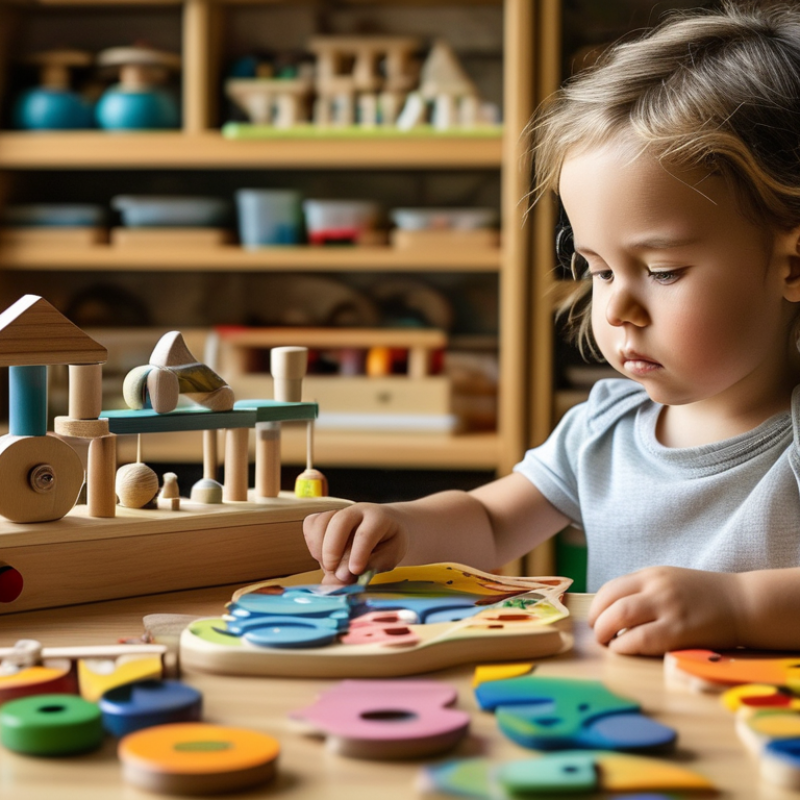
Montessori toys play a crucial role in enhancing children's focus and concentration. These toys are designed to engage children's senses. They promote independent exploration and provide hands-on experience. For instance, a simple wooden puzzle encourages problem-solving. Children learn to focus on one task at a time, which enhances their ability to concentrate.
Moreover, Montessori toys often encourage creativity. A child may use blocks to build various structures, allowing their imagination to flow. This process requires sustained attention. The open-ended nature of these toys invites children to experiment. They can learn from their successes and failures. This reflection can be essential for developing concentration.
Another benefit of Montessori toys is their ability to limit distractions. These toys usually have fewer bells and whistles compared to electronic devices. The simplicity of design helps children immerse themselves in play. This immersive experience is vital for improving focus. Parents may notice significant improvements in their children's attention spans as they engage with these thoughtfully crafted tools.
Montessori toys are designed to engage children in meaningful learning experiences. They often incorporate natural materials, such as wood and fabric, that encourage sensory exploration. For instance, a wooden puzzle can captivate a child’s attention. The way they fit together requires focus and patience. This hands-on interaction is critical for developing concentration.
These toys also promote independence. Children can pick them up and explore at their own pace. This freedom can lead to deeper concentration, as kids are not rushed. However, it's essential to note that not all children may engage equally with these toys. Some may require guidance to fully appreciate the benefits. The variability in engagement is worth reflecting on. Understanding each child's unique preferences plays a key role in their learning journey.
Furthermore, Montessori toys often emphasize problem-solving. For example, a stacking tower challenges kids to think critically about balance and coordination. This process fosters a child's ability to concentrate and persist through challenges. Yet, frustration can occur when they struggle. It’s important for caregivers to provide support during these moments, helping children to navigate their emotions while also encouraging resilience.
Sensory play is crucial for developing concentration skills in children. It engages multiple senses, allowing kids to explore their environment deeply. When children touch, see, or hear different textures and sounds, their brains activate. This stimulation enhances focus and retention.
Montessori toys, designed for sensory interaction, support this growth. Each toy encourages hands-on experiences. Vibrant colors and varied materials attract attention. As children manipulate these toys, they learn to concentrate on tasks. Their minds are not easily distracted. They become absorbed in their play, fostering extended attention spans.
These interactions can sometimes lead to frustration. Not every child responds the same way. Some may lose interest quickly or struggle with complex tasks. Reflecting on these moments is essential. It's important to adjust activities to suit each child's unique needs. This tailored approach helps ensure that every child builds their concentration skills effectively.
Open-ended play is crucial for children’s concentration. Research shows that children engaged in free play develop focus and creativity. A study from the American Academy of Pediatrics suggests that this type of play is essential for brain development. In fact, allowing children to explore without strict guidelines enhances their attention span by encouraging immersive play.
Children thrive when given the freedom to choose activities. Engaging with flexible toys fosters critical thinking and problem-solving skills. According to a report by the International Journal of Early Childhood, children who participate in open-ended activities show improved attention levels. They can create their own games, which nurtures a sense of ownership and boosts engagement.
However, not all play experiences are ideal. Some children may struggle with too many choices, leading to frustration. In such cases, guidance can be helpful. Observing children’s interactions with toys can also provide insights into their preferences. Striking a balance between structure and freedom is essential for optimal development. This balance allows children to build focus while exploring their interests.
Montessori toys play a crucial role in developing children's focus. Independence and choice are central to this approach. When children feel empowered to make decisions, they engage more deeply with their activities. Research by the American Psychological Association shows that allowing children to choose their toys enhances their attention span.
Children who select their toys often display greater concentration. This is because they are drawn to activities that excite their interests. A study from the University of Michigan found that children engaged in self-directed play improved their focus by 30%. This highlights the value of choice in the learning process.
Tips for enhancing concentration include encouraging exploration. Allow your child to choose which toy to play with, fostering independence. Create a distraction-free environment to enhance their focus. Encourage short play sessions, gradually increasing time as their concentration improves. Remember that every child is different. Some may take longer to engage deeply. Reflect on what works for your child and adapt accordingly.
This chart illustrates the various aspects of Montessori toys and their impact on children's concentration levels. The values represent the effectiveness of each aspect on enhancing focus, demonstrating that independence and choice are particularly influential in positive concentration development.
: Montessori toys engage the senses and promote hands-on experiences. They encourage children to focus on tasks.
Independence allows children to make choices. This engagement increases their attention span and deepens their play.
A wooden puzzle is a great example. It encourages problem-solving and requires sustained attention.
Montessori toys typically have simple designs. This simplicity helps children immerse themselves in play without distractions.
When children choose their toys, they are more interested. This interest leads to increased concentration levels.
Create a distraction-free environment. This setting encourages children to focus better on their activities.
Allow your child to pick their toys. This empowers them and boosts their engagement in play.
Start with short play sessions and gradually increase the duration. Each child engages at their own pace.
Not all children may engage deeply right away. It’s essential to reflect on their interests and adapt as needed.
Open-ended toys invite children to experiment. They learn from successes and failures, which builds concentration skills.
Montessori toys are specifically designed to enhance children's focus and concentration through engaging and hands-on learning experiences. These toys promote sensory play, which is crucial for developing concentration skills. By engaging multiple senses, children are able to explore and interact in ways that nurture their ability to concentrate on tasks. Moreover, the nature of Montessori toys encourages open-ended play, which fosters sustained attention as children become deeply involved in their activities, allowing them to explore and create without fixed outcomes.
Additionally, the principles of independence and choice play a significant role in how Montessori toys improve concentration. When children are given the freedom to choose their activities, they feel empowered and more motivated to focus on their tasks. This autonomy leads to increased engagement and a deeper connection to the learning process, ultimately enhancing their ability to concentrate in both play and educational settings.
