When considering child development, fine motor skills are essential. These skills impact daily activities and overall growth. Parents often ask, "what Montessori toys help with fine motor development?" One expert in this field, Dr. Jane Williams, emphasizes, “Montessori toys provide a hands-on approach to learning, aiding in fine motor skills.”
Montessori toys, designed for exploration, empower children to refine their dexterity. Activities like pouring, stacking, and pinching engage their tiny hands. These toys encourage focus and creativity. Children play, yet they are developing crucial skills.
However, not all Montessori toys are equal. Parents must choose wisely. Some toys may seem appealing but lack the depth necessary for fine motor growth. Reflecting on available options can lead to better choices. By selecting the right tools, caregivers can significantly enhance a child’s fine motor abilities.
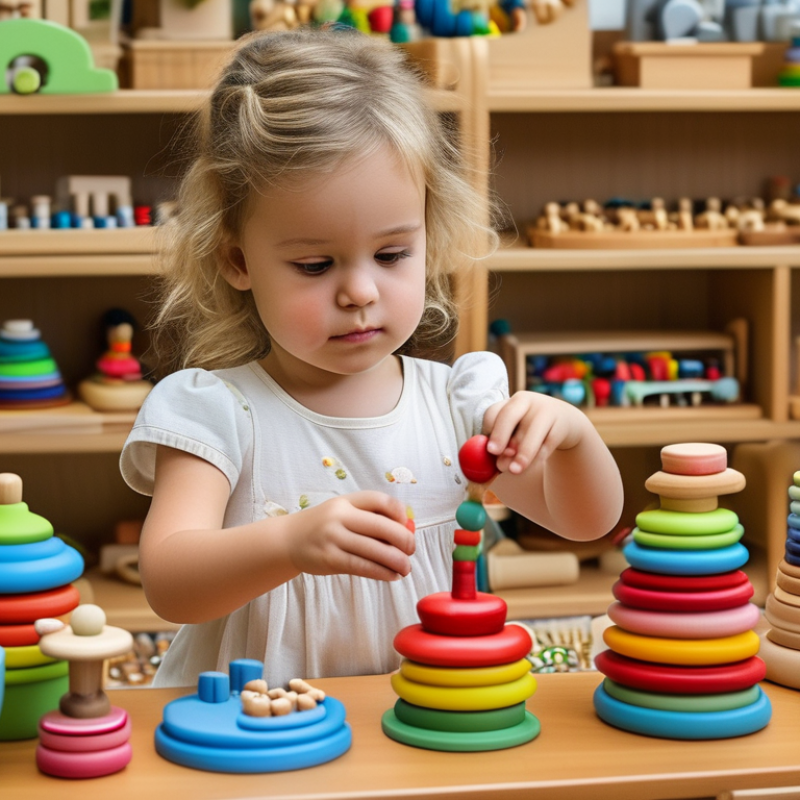
Montessori principles emphasize hands-on learning and sensory experiences. These methods focus on engaging children’s natural curiosity. When children play with toys designed around these concepts, they cultivate essential fine motor skills. Fine motor skills are vital for tasks like writing, buttoning clothes, or using utensils. The right toys can inspire children to be more independent.
Toys that require children to manipulate objects, such as stacking blocks or threading beads, engage their fingers and hands. These actions build strength and coordination. Children often struggle with these tasks at first. They may drop blocks or miss beads. However, each attempt encourages perseverance and problem-solving. This learning process is crucial in developing confidence.
Parents and educators should observe how kids interact with these toys. Some children might prefer toys that involve more movement, while others may gravitate towards intricate designs. The variety allows for personal growth. Reflection on these interactions can help adults guide children in their development. Fine motor skills are not just physical; they are tied to emotional and cognitive growth as well.
This chart illustrates how different Montessori toys can significantly enhance children's fine motor skills. Each toy type is shown alongside the percentage of skill enhancement, demonstrating the effectiveness of engaging with these educational tools.
When considering Montessori toys that enhance fine motor skills, several key features stand out. These toys should provide hands-on experiences that engage children's senses.
Textures, colors, and shapes play a significant role. Toys that promote grasping, squeezing, or stacking help develop essential hand-eye coordination.
Effective Montessori toys often incorporate natural materials like wood and cloth. These materials are tactile and inviting, stimulating exploration.
Toys should also encourage independent play, allowing children to experiment with different movements. Simple puzzles or stacking blocks can be great choices. Yet, it's crucial to ensure they are challenging but not overwhelming. Too much complexity can lead to frustration, hindering the learning process.
Not all toys are created equal. The best ones invite creativity and provide room for trial and error. Children learn through repetition and exploration. Therefore, selecting toys that allow for multiple uses can keep them engaged over time.
Some children may struggle with coordination initially. A toy that is too easy can lead to boredom. Conversely, a challenging one may discourage them. It’s important to strike a balance that fosters growth.
Montessori toys are designed to promote fine motor skills in a fun and engaging way. These toys encourage children to use their hands and fingers to manipulate objects, enhancing dexterity. For instance, puzzles with varying shapes challenge little ones to fit pieces together, honing their problem-solving and coordination skills. The tactile experience provided by wooden blocks can further strengthen grip and control.
Another beneficial toy is the threading set, which allows children to practice threading beads onto a string. This activity demands concentration and precision, helping to refine hand-eye coordination. Children learn patience as they navigate each bead, a skill that extends beyond playtime. Material choices matter too; natural textures offer a sensory experience that supports exploration and learning.
However, not every child will connect with each toy. It's essential to observe their preferences. Some may find puzzles frustrating at first, while others may excel. Understanding these nuances helps caregivers tailor the experience to each child's needs. Ultimately, fostering an environment where children can explore various materials leads to improved dexterity and confidence in their abilities.
| Toy Name | Age Group | Specific Benefit |
|---|---|---|
| Wooden Stacking Blocks | 1-3 years | Enhances hand-eye coordination and spatial awareness |
| Peg Boards | 2-4 years | Develops pincer grip and fine motor precision |
| Lacing Beads | 3-6 years | Improves threading skills and concentration |
| Puzzles | 3-5 years | Strengthens problem-solving abilities and manipulation skills |
| Building Sets | 4-7 years | Encourages creativity and enhances dexterity |
| Play Dough Kits | 2-5 years | Promotes tactile exploration and strengthens hand muscles |
| Activity Cubes | 1-4 years | Facilitates multi-sensory play and motor skill development |
Montessori toys can play a significant role in developing fine motor skills. Research supports the idea that hands-on play enhances these skills. Activities involving gripping, stacking, or threading can boost dexterity in young children. Fine motor skill mastery lays the groundwork for tasks like writing and self-feeding.
Engaging with these toys activates various brain pathways. Children learn problem-solving while improving hand-eye coordination. They experiment with different movements and learn to navigate their environment. This process is vital for their overall development.
**Tips:** Choose toys that challenge and intrigue your child. Look for options that require manipulation of small parts. Incorporate everyday objects that promote creative play. Encourage your child to explore and even struggle with the task at hand. Learning often comes from the effort, not just the outcome. Embrace the journey together; it's okay to make mistakes.
Integrating Montessori toys into daily activities can significantly enhance fine motor skills in children. For instance, simple activities like pouring water from one cup to another not only teach control but also engage hand muscles. Engaging in these tasks regularly helps children develop coordination and dexterity. It’s essential to observe how they interact with these toys to ensure that they are both challenged and successful.
Incorporate these toys during playtime and everyday routines. Let children assist with cooking by stirring mixtures or measuring ingredients. This hands-on approach strengthens their grip and encourages responsibility.
While some parents might feel hesitant letting kids handle tools, it’s crucial to remember that mistakes are part of learning. A dropped cup may lead to a spill but can also foster resilience and problem-solving skills. Frequent practice leads to mastery, so embrace the messiness of the learning experience.
: Montessori toys promote fine motor skills and encourage children to manipulate objects for enhanced dexterity.
Puzzles challenge children to fit pieces together, improving their problem-solving and coordination abilities during play.
A threading set enhances concentration and hand-eye coordination as children practice threading beads onto a string.
Natural textures provide sensory experiences that support exploration and learning, enriching children's interactions with toys.
Caregivers should notice children's preferences and frustrations, tailoring toy choices to their unique needs and skills.
Simple tasks like pouring water or cooking can enhance hand control and dexterity, making everyday routines more engaging.
Effort leads to learning; embracing mistakes helps children develop resilience and problem-solving skills through hands-on experiences.
Yes, mistakes like spills teach children about resilience and problem-solving, making them essential to the learning process.
Hands-on play with these toys promotes problem-solving and different movements, enhancing overall development and motor skills.
Parents should embrace messiness, as it is a natural part of learning and skill mastery through frequent practice.
Montessori education emphasizes hands-on learning and supports the development of fine motor skills through carefully designed toys. In exploring what Montessori toys help with fine motor development, it is essential to understand the core principles of Montessori, which prioritize independence, sensory experiences, and sequential learning. Effective Montessori toys typically feature characteristics such as open-ended play, versatility, and the ability to engage children in problem-solving and creativity.
Research indicates that fine motor skills can be significantly enhanced through play with these thoughtfully crafted toys. By integrating Montessori toys into daily routines, parents and educators can provide children with opportunities to refine their dexterity and hand-eye coordination. This holistic approach not only nurtures fine motor development but also fosters a love for learning, laying a strong foundation for future skills.
