Educational toys play a crucial role in child development. One popular approach is the Montessori method. A question many parents ask is, what are Montessori learning toys? These toys prioritize hands-on experiences and promote independence. They encourage creativity, critical thinking, and problem-solving skills in children.
Montessori learning toys are designed to support natural development. They often include everyday items at a child's scale. For instance, small kitchen tools or art supplies are common. Children use them actively, which helps them learn through play. The focus is on exploration, allowing kids to learn at their own pace.
However, not all Montessori toys are created equal. Some products may not align with Montessori principles. This can lead to confusion for parents. It's essential to seek reliable sources when choosing these toys. Parents should pay attention to the materials and purpose behind each toy. Understanding what are Montessori learning toys can guide parents in selecting appropriate options for their children.
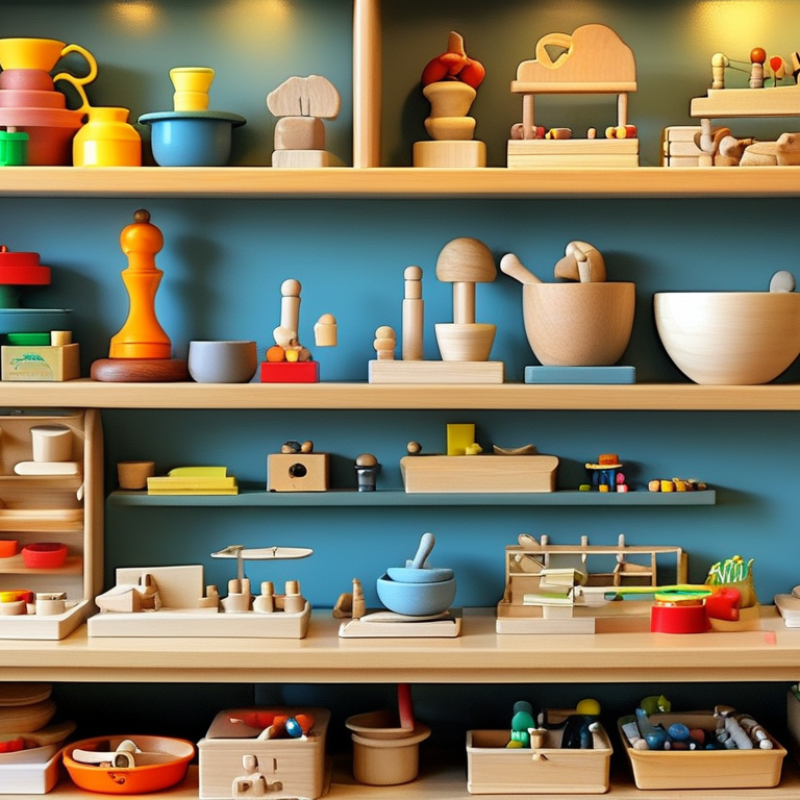
Montessori learning toys offer significant benefits for child development. Designed to promote independence, these toys encourage hands-on exploration and cognitive growth. According to a report from the American Academy of Pediatrics, children learn best through active engagement. Montessori toys often facilitate problem-solving skills, creativity, and critical thinking.
For instance, simple wooden puzzles and sensory play materials stimulate fine motor skills. These toys cater to various developmental stages. Research shows that children who engage with Montessori principles tend to show improved academic performance and social skills. A study by the University of Virginia found that Montessori-educated children outperformed their peers in standardized tests by an average of 10%.
Tips: To maximize developmental benefits, choose toys that promote open-ended play. Avoid over-stimulating toys with bright lights or sounds. Instead, opt for natural materials to foster sensory exploration. Balance structured activities with free play. Allow your child to lead playtime, guiding their interests rather than directing their actions. Trust their instincts; learning is a personal journey.
Effective Montessori learning toys embody several key characteristics that enhance a child's development. These toys encourage exploration and creativity. They are often made from natural materials, promoting sensory engagement. Children can manipulate these objects, learning through touch and interaction. The aesthetic appeal of these toys is important too. Bright colors and interesting shapes draw children in, sparking their imagination.
Another vital characteristic is open-endedness. Montessori toys often serve multiple purposes. For example, a simple block can be stacked, sorted, or used for imaginative play. This flexibility allows children to think critically and problem-solve. Additionally, these toys are designed to match a child’s developmental stage. They evolve as the child's skills grow, providing ongoing challenges. However, not every toy fits every child perfectly. Individual interests and learning styles vary, making it essential to choose thoughtfully.
Montessori learning toys also emphasize independence. They empower children to play alone or with peers. This fosters social skills and confidence. Yet, parents and educators should reflect on guiding play without being intrusive. Preparing an enriching environment is crucial, but so is allowing children to lead their own experiences. Balancing support and independence can be challenging, but it is necessary for true growth.
Montessori toys are designed to encourage independence and hands-on learning. For infants, toys like soft blocks or sensory balls help in developing motor skills. Research shows that infants exposed to these toys score higher in fine motor development tests. In the toddler stage, toys such as shape sorters or stacking rings promote problem-solving skills and cognitive development. A study indicated that toddlers interacting with educational toys showed a 30% increase in engagement levels compared to traditional toys.
For preschoolers, more complex toys like woodworking kits or science exploration sets enhance creativity and critical thinking. A survey found that children who play with Montessori-style toys perform better in collaborative tasks. They learn patience and the importance of trial and error. While these toys are effective, it’s crucial to observe how children interact with them, as not every child will benefit equally from the same set of toys. Understanding individual preferences can lead to more substantial developmental support.
In early education, using a variety of Montessori toys across age groups can cater to diverse learning styles. It's a balance of options that can sometimes feel overwhelming. Parents should remain mindful of their child's unique responses to different toys. Engaging in play with children can provide insights into their interests and developmental needs, further enhancing their learning experience.
Montessori toys are designed to promote independence and active learning. Research shows that these toys can enhance cognitive development in young children. A study from a leading educational institution found that children engaged with Montessori materials showed improved problem-solving skills. This approach encourages exploration and creativity, allowing children to learn at their own pace.
Moreover, the tactile experience of Montessori toys aids in sensory development. Children manipulate objects, which helps strengthen fine motor skills. Observational studies indicate that children using these toys are more focused during activities. They demonstrate greater persistence when facing challenges and tend to work collaboratively in group settings.
While the benefits are significant, there can be challenges in implementation. Not all children respond to tactile learning in the same way. Some may need guidance to engage effectively with Montessori toys. Reflecting on these differences is essential. Ultimately, understanding individual learning styles is crucial to maximizing the potential of Montessori education.
Choosing the right Montessori learning toys for your child can greatly enhance their development. Look for toys that promote independence and hands-on learning. Genuine Montessori toys encourage exploration and discovery. Simple designs often work best. They should engage your child's senses and curiosity.
Observe your child’s interests. Select toys that resonate with them. This fosters a deeper connection. Consider age appropriateness. Some toys may seem perfect but are too complex for younger kids. Always prioritize safety. Avoid toys with small parts that could pose choking hazards.
Read reviews and gather insights from experts. This can guide your choices effectively. Embrace imperfection in the selection process. You might purchase a toy that doesn’t captivate your child. It’s essential to be flexible and willing to adapt. The right Montessori toy might make a significant difference, promoting creative learning and joy.
: They encourage exploration, creativity, and are made from natural materials.
Children can manipulate objects, learning through touch and interaction.
Open-ended toys serve multiple purposes, allowing critical thinking and problem-solving.
Ideally, but individual interests vary. Choosing thoughtfully is essential.
They allow children to play alone or with peers, enhancing social skills.
They should support but avoid being intrusive, allowing kids to lead.
Look for toys promoting hands-on learning and match children’s interests.
Avoid toys with small parts that pose choking hazards.
Embrace imperfection and be willing to adapt; flexibility is crucial.
It can promote creative learning and bring joy to children.
Montessori learning toys are designed to foster child development through hands-on, interactive experiences. What are Montessori learning toys? They are educational tools that emphasize exploration, creativity, and independence, allowing children to learn at their own pace. The benefits of these toys include enhancing cognitive skills, fine motor development, and social interaction. Effective Montessori toys share key characteristics such as being age-appropriate, encouraging open-ended play, and promoting problem-solving skills.
When selecting Montessori toys for different age groups, it's important to choose items that align with their developmental stages. Popular examples range from simple stacking blocks for infants to more sophisticated puzzles and creative art supplies for older children. Research evidence supports the educational value of Montessori toys, indicating that they can significantly contribute to a child's learning journey. To choose the right Montessori learning toys, consider your child's interests, developmental needs, and the characteristics that make them effective as learning tools.
