Choosing the right Montessori toys for your child can be a transformative experience. Understanding "how to choose Montessori toys by age" is crucial for promoting developmental growth. Montessori toys are designed to engage a child's senses and encourage independent learning. Each age group has unique needs that can influence toy selection.
As children grow, their interests and capabilities evolve. For infants, soft toys that stimulate touch and sound are ideal. Toddlers benefit from toys that enhance motor skills and encourage exploration. Preschoolers require more complex toys that foster problem-solving and creativity. Selecting toys that match these developmental stages supports learning and curiosity.
Reflecting on your choices is essential. Sometimes, parents might overlook a child's preferences, opting instead for overly popular toys. It's important to observe how your child interacts with their toys. This can reveal what truly engages them. Balancing practicality and creativity in your selections may lead to deeper satisfaction for both you and your child.
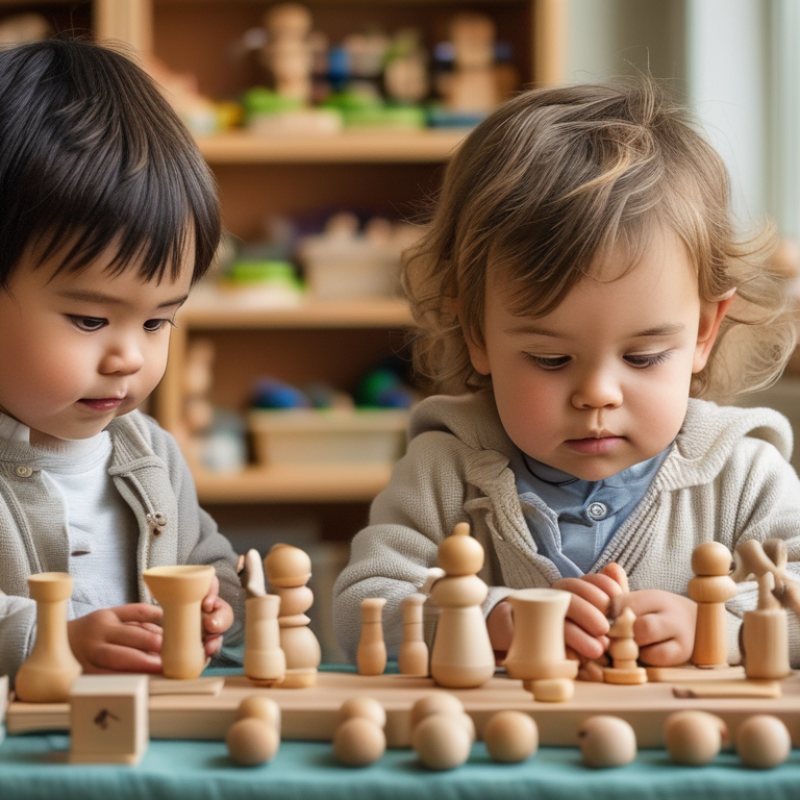
Montessori toys are designed to foster independence, creativity, and learning through play. They emphasize hands-on experiences, allowing children to explore their surroundings. A recent study from the American Educational Research Association highlights that such toys enhance critical thinking skills by 30% compared to traditional toys. Understanding this principle is crucial for selecting the right toys for different age groups.
For infants, toys that stimulate the senses are ideal. Soft textures, bright colors, and varied sounds promote sensory exploration. As children grow, they benefit from toys that support fine motor skills. Look for activities like stacking blocks or threading beads. These simple tools can lead to significant developmental milestones.
Tips:
Choose toys that encourage problem-solving. Puzzles and building sets can ignite curiosity. Ensure they are safe and age-appropriate. Reflect on your child's interests; toys should resonate with their natural inclinations. This can lead to more meaningful play experiences. Remember, not all toys need to teach; some should simply inspire joy and creativity.
When selecting Montessori toys, it's crucial to consider key developmental milestones in early childhood. At the ages of 0 to 1, infants thrive on sensory experiences. Toys should be soft, safe, and colorful. Rattles or textured blocks can help stimulate their vision and touch. Simple objects grab their attention, encouraging exploration.
From 1 to 3 years, children develop fine motor skills. They start to grasp, push, and pull objects. Toys that involve stacking or sorting are ideal. They foster problem-solving. However, it's essential to choose toys that are not too complex. This allows children to succeed and gain confidence.
For ages 3 to 5, imaginative play takes center stage. Toys that inspire creativity, like building blocks or art supplies, can be beneficial. These tools nurture their growing independence. Still, be cautious. Some toys might be too advanced for certain kids. Assess each child's readiness before purchasing. Flexibility in choices is key to supporting their unique growth paths.
Selecting Montessori toys for infants requires careful consideration. At this age, toys should encourage exploration and sensory development. Look for safe materials that are free of harmful toxins. Soft textures, vibrant colors, and gentle sounds can stimulate an infant's senses. Simple items like wooden rattles or fabric blocks can promote grasping and hand-eye coordination as babies begin to reach and grab.
It’s also important to focus on toys that support open-ended play. Infants learn through repetition. A toy that can be manipulated in various ways encourages this repetition. Natural materials are often more pleasing for infants, creating a calming experience. Consider how toys are used and ask yourself, “Will this encourage discovery?”
Don’t forget the impact of environment on play. A cluttered space may overwhelm an infant. Providing a few carefully chosen toys encourages focus. Reflect on what works best for your child. Each infant has unique preferences. Take time to observe and adapt to their interests. The journey of choosing toys should be flexible and responsive.
| Age Range | Toy Type | Benefits | Examples |
|---|---|---|---|
| 0-3 months | High-Contrast Toys | Stimulates visual development | Black and white soft toys |
| 3-6 months | Soft Rattles | Encourages grasping and shaking | Hollow rattles |
| 6-9 months | Teething Toys | Alleviates discomfort during teething | Silicone teething rings |
| 9-12 months | Stacking Toys | Promotes hand-eye coordination | Wooden stacking blocks |
Choosing appropriate Montessori toys for toddlers aged 1 to 3 years is crucial for their development. Toys should promote sensory exploration and fine motor skills. Research from the American Academy of Pediatrics highlights that play enhances cognitive and emotional growth during these formative years. Toys like stacking blocks or shape sorters can engage toddlers physically and mentally.
Toddlers are naturally curious and learn best through hands-on experiences. Montessori toys should encourage independent play but also social interaction. Simple puzzles or animal figurines can spark imagination and promote language skills. In a study by the National Association for the Education of Young Children, it was found that interactive toys lead to greater engagement and sustained attention in young children.
However, it's essential to note that not all toys are suitable for every child. Consider individual interests and developmental milestones. Some toddlers may prefer sensory toys, while others might be drawn to role play. Being attentive to a child's responses is key in selecting toys that enhance their learning journey. Always prioritize safety and age-appropriateness to foster a nurturing play environment.
When selecting Montessori toys for preschoolers aged 3 to 6 years, it’s important to consider developmental stages. At this age, children are naturally curious and eager to explore. Toys that encourage creativity and problem-solving are ideal. Look for open-ended materials like building blocks or art supplies that can be used in various ways. These kinds of toys foster imagination and improve fine motor skills.
Sensory toys are also valuable for young learners. Items like textured fabrics, rainbow sand, or colorful beads can enhance tactile experiences. These toys often promote exploration and help with emotional regulation. It’s worth noting that some toys may not engage every child equally. It's vital to observe how a child interacts with a toy and make adjustments accordingly.
Another consideration is the importance of social play. Toys that promote collaboration, such as puzzles or cooperative games, encourage teamwork. Children learn valuable social skills through these activities. However, not every social experience is positive. Some toys may lead to frustration or conflict. Reflecting on these interactions can guide future toy selections for an enriching playtime.
: Soft, safe, and colorful toys are best. Rattles and textured blocks stimulate vision and touch.
Toys for this age should involve stacking or sorting. They enhance problem-solving and boost confidence.
Imaginative play nurtures creativity. Building blocks and art supplies encourage independence and self-expression.
Select open-ended materials that support creativity. Toys should foster problem-solving and fine motor skills.
Sensory toys enhance tactile experiences. They promote exploration and can aid emotional regulation.
Observe interactions to see how engaged they are. Some toys may not be suitable for every child.
Toys like puzzles encourage teamwork. Children improve valuable social skills but may face conflicts.
Yes, some toys might cause frustration or competition. Reflecting on these moments can inform better choices.
When considering how to choose Montessori toys by age, it's essential to understand the principles behind Montessori education and child development. Montessori toys are designed to support key developmental milestones in early childhood, catering to the varying needs of infants, toddlers, and preschoolers.
For infants aged 0-12 months, toys that encourage sensory exploration and fine motor skills are ideal. As children transition into toddlers (1-3 years), toys that promote imaginative play and problem-solving become crucial. Finally, for preschoolers (3-6 years), engaging toys that foster creativity and social interaction are paramount. By selecting toys that align with each developmental stage, parents can effectively support their child's growth and learning journey.