2026 Best Montessori Activities for Early Childhood Learning?

Time:2026-08-22 Author:Sophia
0%

Montessori education emphasizes hands-on learning experiences tailored to young children's needs. Research shows that engaging with Montessori activities can significantly boost cognitive and social development in early childhood. According to a 2021 study by the National Center for Montessori in the Public Sector, children in Montessori settings demonstrate improved math and literacy skills when compared to their peers in traditional classrooms.

Understanding what Montessori activities help early childhood learning is crucial for educators and parents alike. Activities, such as practical life tasks and sensory experiences, cultivate independence and problem-solving abilities. For instance, pouring exercises improve fine motor skills and concentration. These activities not only enhance academic readiness but also promote emotional intelligence, fostering collaboration and communication among children.

However, the implementation of Montessori methods can vary widely. Some practitioners may struggle with authenticity in applying the principles. It's essential to reflect on how these activities align with the core tenets of Montessori education. Continuous evaluation and adaptation are necessary to ensure children benefit fully from their learning experiences.
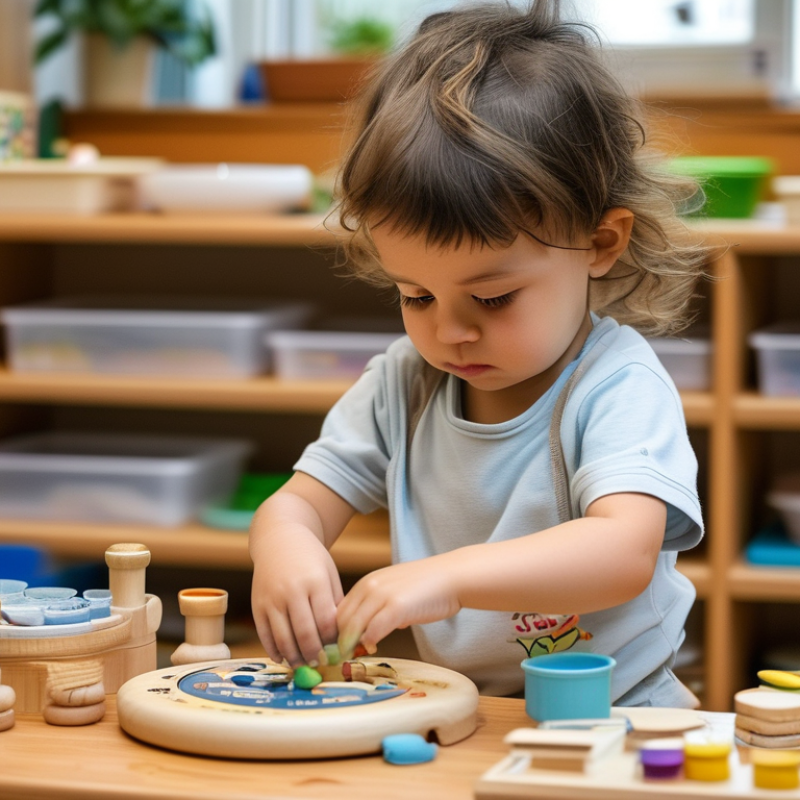
2026 Best Montessori Activities for Early Childhood Learning?

The Principles of Montessori Education for Early Childhood Learning

Montessori education is based on the principles of child-led learning and independence. In this approach, children explore their interests in a prepared environment. This encourages them to engage deeply with materials. The teacher's role is to guide rather than instruct, fostering an atmosphere where curiosity thrives.

One fundamental principle is respect for each child's uniqueness. Every child develops at their own pace. Some may take longer to grasp certain concepts. This is normal and should be embraced. Montessori educators observe and adapt to these individual needs. This creates a supportive learning environment for early childhood.

Hands-on activities play a crucial role in this method. Kids learn through real-life experiences and interactions. These activities can be simple yet profound. For example, pouring exercises help develop fine motor skills. Similarly, sorting tasks enhance cognitive development. Reflecting on these experiences allows children to make connections in their learning journey. There is always room for improvement in the Montessori approach. Educators should continually adapt to better serve each child, ensuring that learning remains engaging and relevant.

2026 Best Montessori Activities for Early Childhood Learning

Activity Developmental Focus Materials Needed Age Group
Sorting Objects Cognitive Development Various small objects 3-6 years
Water Pouring Fine Motor Skills Jug, small cups, water 2-5 years
Nature Scavenger Hunt Observation Skills List of items, bags 3-6 years
Building Blocks Spatial Awareness Wooden or plastic blocks 2-6 years
Puzzle Assembly Problem Solving Various puzzles 3-5 years
Planting Seeds Responsibility Seeds, soil, pots 4-6 years

Essential Montessori Materials for Engaging Activities and Lessons

Montessori materials are vital for early childhood learning. They encourage hands-on experiences and promote independence. Research shows children learn best through exploration. A study from the American Montessori Society indicates that children using these materials develop critical thinking skills earlier than their peers. Engaging with specific tasks fosters creativity and problem-solving abilities.

Essential Montessori materials include sensory bins, geometric blocks, and practical life tools. Sensory bins stimulate tactile learning, while geometric blocks enhance spatial awareness. Practical life tools, such as child-sized utensils, build motor skills and confidence. These items not only keep children engaged but also introduce concepts through real-world applications.

However, over-reliance on structured activities can hinder a child's innate curiosity. Each child learns differently, and some may resist certain activities. Reflecting on individual needs is crucial. Teachers and parents should observe children to tailor experiences accordingly. Providing choice helps children develop autonomy, but children must feel supported in their journey. Balancing guided exploration with freedom remains a key challenge in the Montessori approach.

Creative Montessori Activities for Developing Fine Motor Skills

Creating engaging Montessori activities for early childhood can significantly develop fine motor skills. These skills are essential for everyday tasks, such as writing, dressing, and even eating. According to a report by the National Association for the Education of Young Children, fine motor development in early childhood is critical for cognitive growth and self-esteem. Children with strong fine motor skills often perform better academically.

One effective activity involves using small tools to manipulate objects. Consider providing tweezers or small tongs to pick up various items like beads or pasta. This not only enhances dexterity but also keeps children focused. Another activity is pouring water from one container to another. This task requires control and concentration, important aspects of fine motor development.

Experimenting with different textures can also help. Incorporate materials like sandpaper or fabric swatches in play. These textures stimulate sensory exploration while improving grip strength. Encourage children to create art with scissors, glue, and paper cutouts. These practices develop coordination and creativity simultaneously. Reflecting on these activities can lead to new insights on how children interact with their environment, revealing individual preferences and skills.

Interactive Montessori Games to Enhance Cognitive Development

Interactive Montessori games play a significant role in enhancing cognitive development among young children. Research indicates that hands-on activities help strengthen neural connections in the brain. According to a study published in the Journal of Neuroscience, children engaged in interactive learning show a 30% improvement in problem-solving skills compared to traditional learning methods.

Notable activities include puzzles and building blocks, which encourage spatial awareness and fine motor skills. A study by the American Academy of Pediatrics highlights that children who participate in manipulative play can enhance their cognitive abilities by 25%. This hands-on approach fosters a sense of independence and boosts self-confidence, which are crucial for early childhood growth.

However, it is essential to reflect on the balance of structured and unstructured play. Over-scheduling can hinder creativity. Experts suggest allowing time for free exploration alongside targeted activities. This dual approach better supports cognitive development. Striking a balance encourages children to explore concepts at their own pace, fostering a love for learning that endures beyond early childhood.

Outdoor Montessori Experiences to Foster Connection with Nature

Outdoor Montessori experiences can deeply connect children with nature. Engaging with the environment fosters curiosity and promotes learning. Activities like nature walks allow children to observe plants and animals. These moments encourage them to ask questions and explore their surroundings.

Hands-on exploration is key in a Montessori setting. Children can collect leaves, rocks, and flowers. This encourages sensory experiences and provides a tangible connection to their lessons. Using different textures and colors can also stimulate discussions about the natural world.

While these activities promote learning, they may also present challenges. Weather can affect outdoor plans, leading to disappointment. Flexibility is essential. Reflecting on these experiences can help educators adapt activities to maintain engagement, regardless of external conditions. Continuous learning from nature enriches children’s lives in profound ways.

2026 Best Montessori Activities for Early Childhood Learning

FAQS

: Why are Montessori materials important for early childhood learning?

: They encourage hands-on experiences and promote independence. Children learn best through exploration.

What type of materials are considered essential in Montessori education?

Essential materials include sensory bins, geometric blocks, and practical life tools. These items help engage children effectively.

How do interactive Montessori games support cognitive development?

They strengthen neural connections, boosting problem-solving skills significantly. Hands-on activities enhance learning outcomes.

What role do outdoor experiences play in Montessori learning?

They foster a connection with nature, encouraging curiosity and allowing hands-on exploration in the environment.

Why is it important to balance structured and unstructured play?

Over-scheduling can hinder creativity. Allowing free exploration alongside guided activities supports better cognitive development.

How can educators adapt activities to maintain engagement outdoors?

Weather can disrupt plans. Flexibility in activities and reflecting on experiences help educators adapt effectively.

Can all children thrive with the same activities?

No, each child learns differently. Some may resist certain activities, so individual needs must be addressed.

What is a challenge parents and teachers face with Montessori methods?

Balancing guided exploration with freedom can be difficult. Children need support while exploring concepts independently.

Conclusion

Montessori education emphasizes hands-on learning and the development of independence in young children. The principles of this approach focus on creating a nurturing environment that stimulates natural curiosity and encourages self-directed activity. Essential Montessori materials, such as sensory bins and practical life tools, play a crucial role in engaging children and facilitating lessons that cater to their individual learning paces.

In exploring what Montessori activities help early childhood learning, creative activities aimed at developing fine motor skills, such as pouring or manipulating small objects, are invaluable. Additionally, interactive games that enhance cognitive development, alongside outdoor experiences that foster a connection with nature, offer comprehensive opportunities for growth. Together, these elements form a holistic learning framework that supports the physical, emotional, and intellectual development of children in their early years.

Sophia

Sophia

Sophia is a dedicated marketing professional with an exceptional depth of knowledge about her company's products and services. With a keen understanding of market trends and customer needs, she crafts insightful blog posts that not only inform but also engage readers, enriching the company’s online......